Autumn Dates:
In Meteorology
01.09 - 30.11
In Astronomy
22.09 - 21.12

Together, These Two Systems Help Us Understand the Rhythm of the Natural World
Meteorological seasons follow the calendar, breaking the year into four neat quarters. This system is used by forecasters and scientists to track weather patterns more consistently — with autumn beginning on 1st September and ending on 30th November.
Astronomical seasons are guided by the Earth's orbit around the sun. These begin and end at key celestial moments — like the autumn equinox, when day and night are almost equal in length, and the winter solstice, the shortest day of the year. In this system, autumn typically begins around 22nd – 23rd September and ends around 21st – 22nd December.
Autumn Overview
As the light softens and temperatures drop,
the landscape prepares for rest. But first, there's a final
burst of abundance.
Fields fill with root vegetables, brassicas, apples and
late fruit. This is the season of storing, preserving,
and using every part.
September - December
FARM
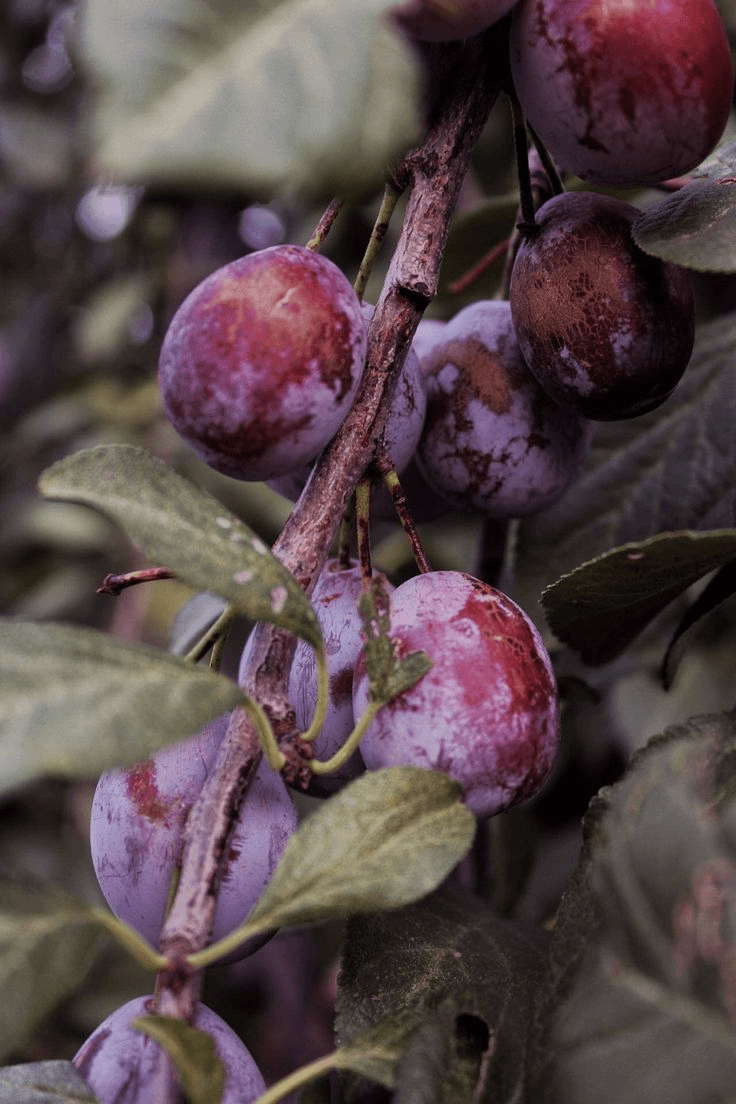
In farming, the rhythm begins to slow. Harvesting takes priority — grains, squash, apples, leeks, and late leafy crops are gathered before frost sets in.
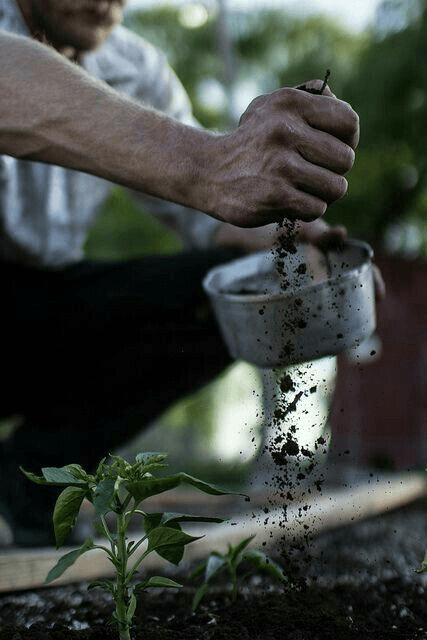
It's also the time for preparing soil: cover crops may be sown, fields are mulched or rested, and compost added to replenish nutrients drawn up over spring and summer.
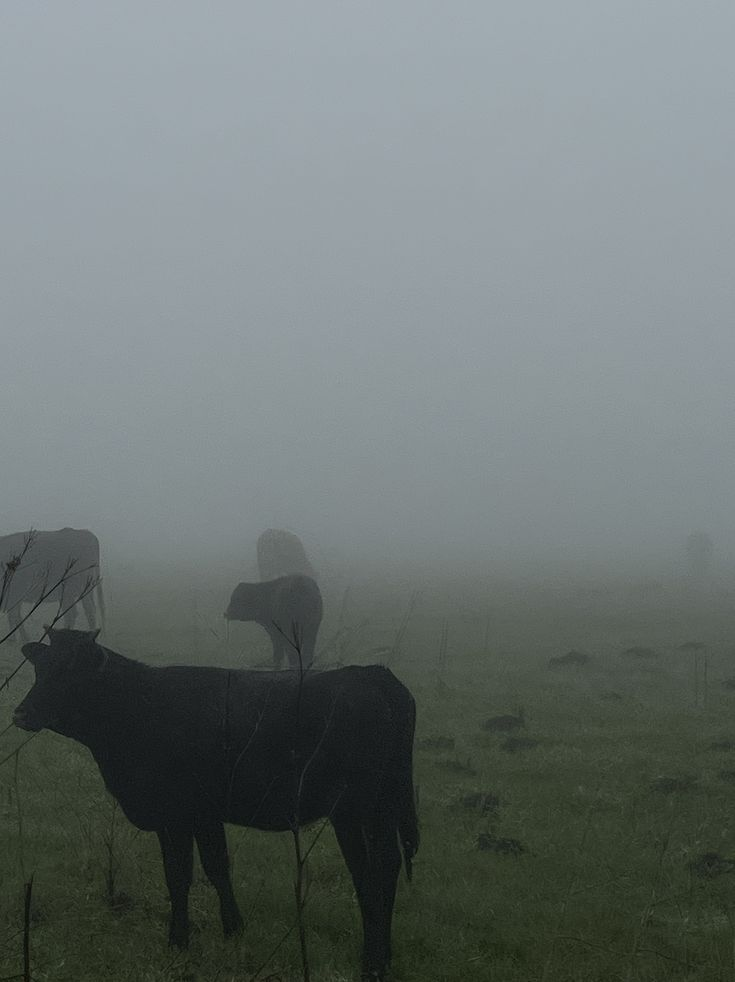
Soil structure is critical now. Wet weather and cooler temperatures can compact the ground, especially under machinery or livestock.
Farmers tread carefully — literally and figuratively — to protect the earth's long-term health. Regenerative practices like reduced tilling, rotation, and perennial planting become especially valuable in the shoulder seasons.
Wild
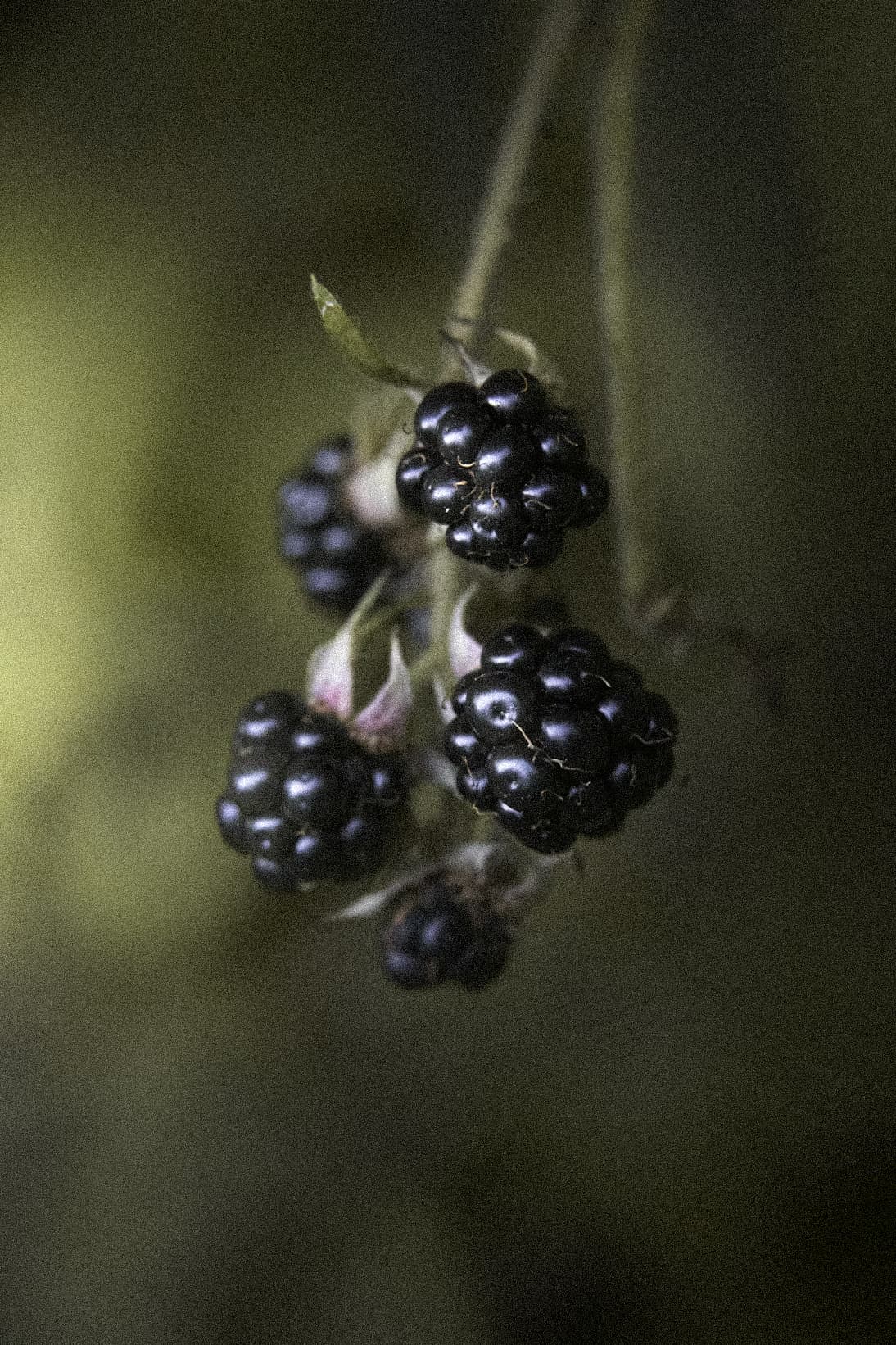
Wildlife feels the shift too. Pollinators slow down, birds begin migration or gather food stores, and hedgerows offer shelter and sustenance in the form of berries and seeds.
While activity quietens, ecosystems are still at work — breaking down organic matter, cycling nutrients, and preparing for winter dormancy.
A moment to take stock, honour the harvest, and lay the foundations for renewal in the seasons to come.
Tips & Tricks
HOW WE CAN SHOP & EAT TO AVOID WASTE THIS AUTUMN HARVEST
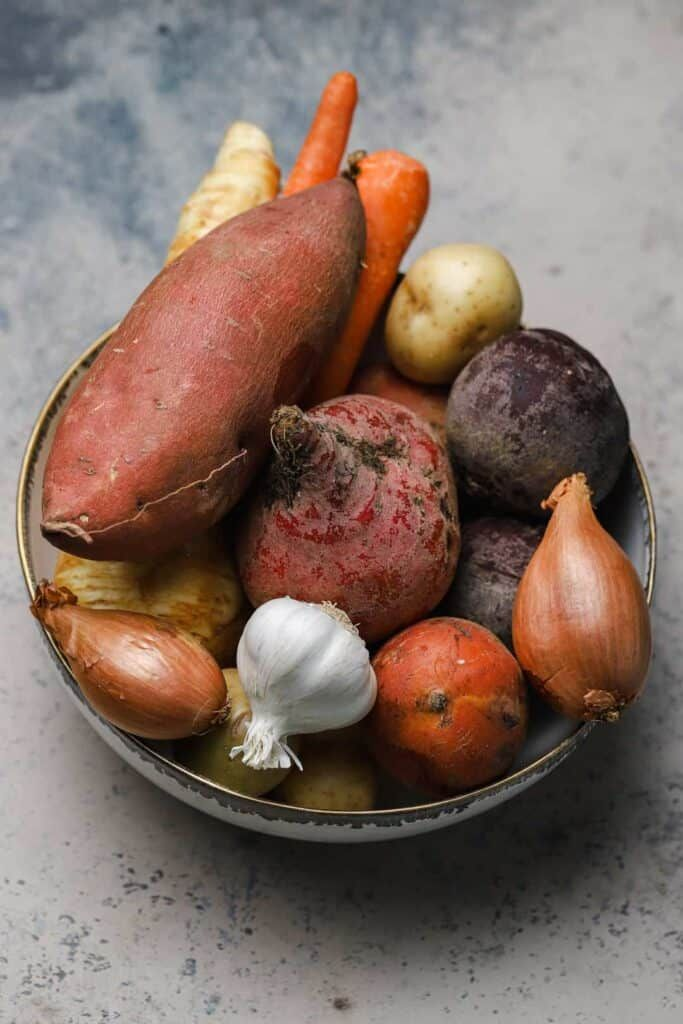
1. Buy 'ugly' produce, imperfect apples or oddly shaped squash are just as tasty — and often get left behind. Choosing these helps reduce food waste at the source.
2. Plan meals around what's in season. Design your weekly meals around local autumn produce like pumpkins, root veg, apples, and leafy greens — they're fresher, cheaper, and less likely to go to waste.
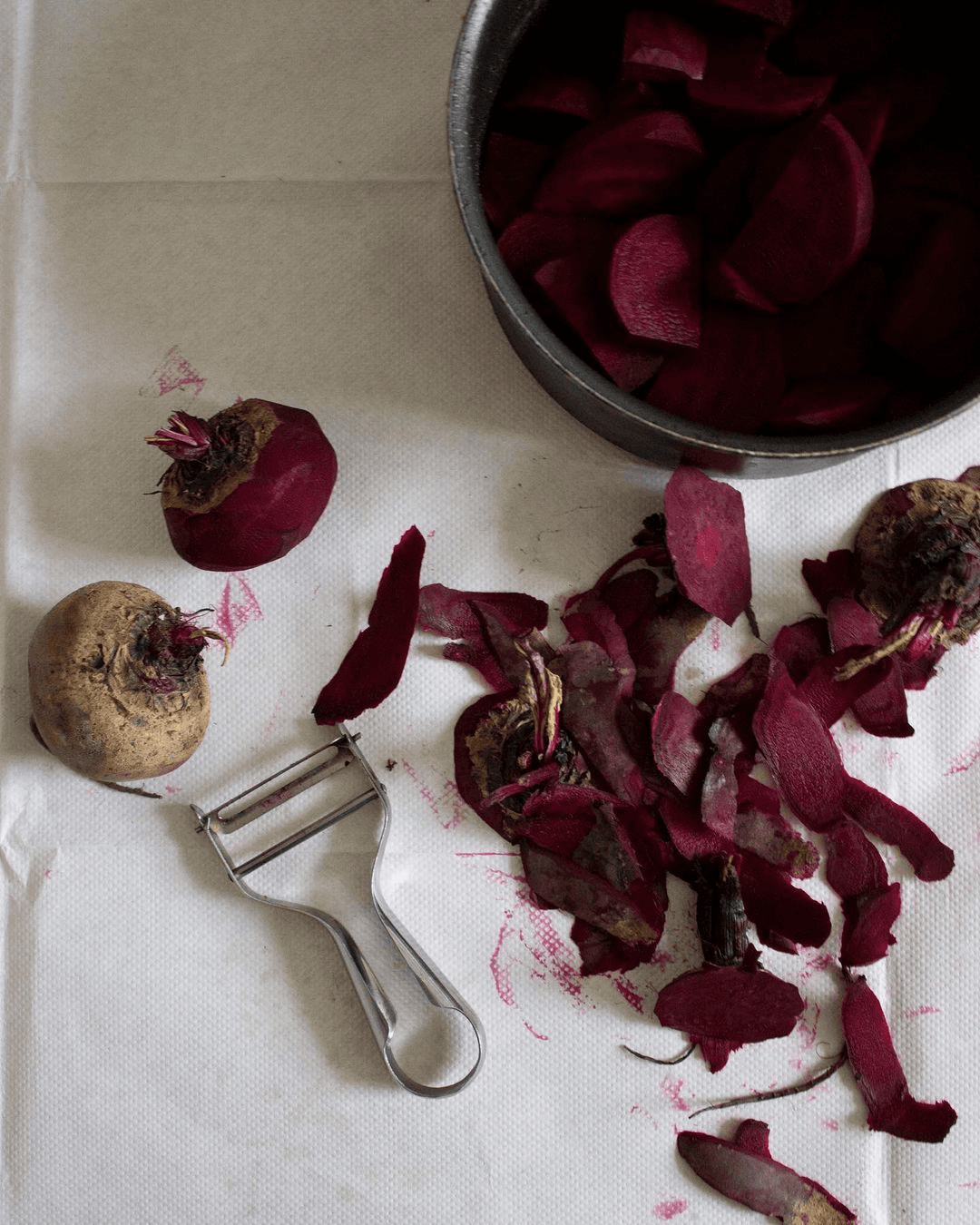
3. Use up the whole vegetable. Don't toss the tops of carrots or beet greens — turn them into pesto, stir-fries, or stocks. Every part can be put to use.
4. Preserve the surplus. Got too many pears or tomatoes? Try pickling, fermenting, or freezing to enjoy the season's bounty long after harvest time.
5. Shop smaller, more often instead of one big shop, buy what you need every few days. This helps reduce forgotten produce wilting at the back of the fridge.
Ingredients Favourites
UNSUNG HEROES OF AUTUMN PRODUCE
Pumpkin
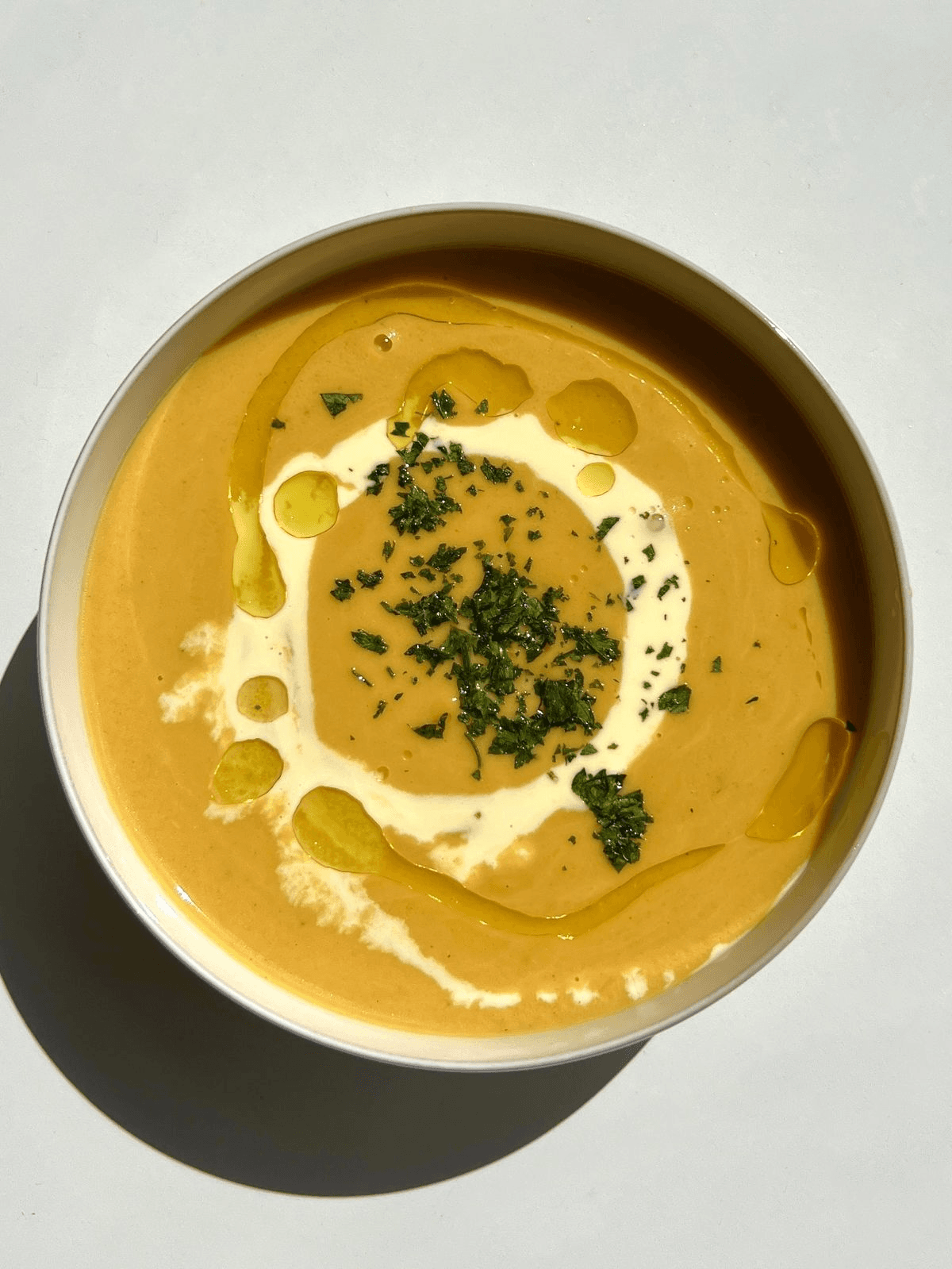
Pumpkin is incredibly nutrient-dense — rich in vitamin A, fibre, and antioxidants. Roast it, blend it into soups, add it to porridge, or even bake it into breads and muffins. Bonus: the seeds are edible too.
Cabbage
Cabbage thrives in cooler months and stores well for weeks. It's packed with vitamin C, supports gut health and is one of the most sustainable veg to grow locally.
Apples
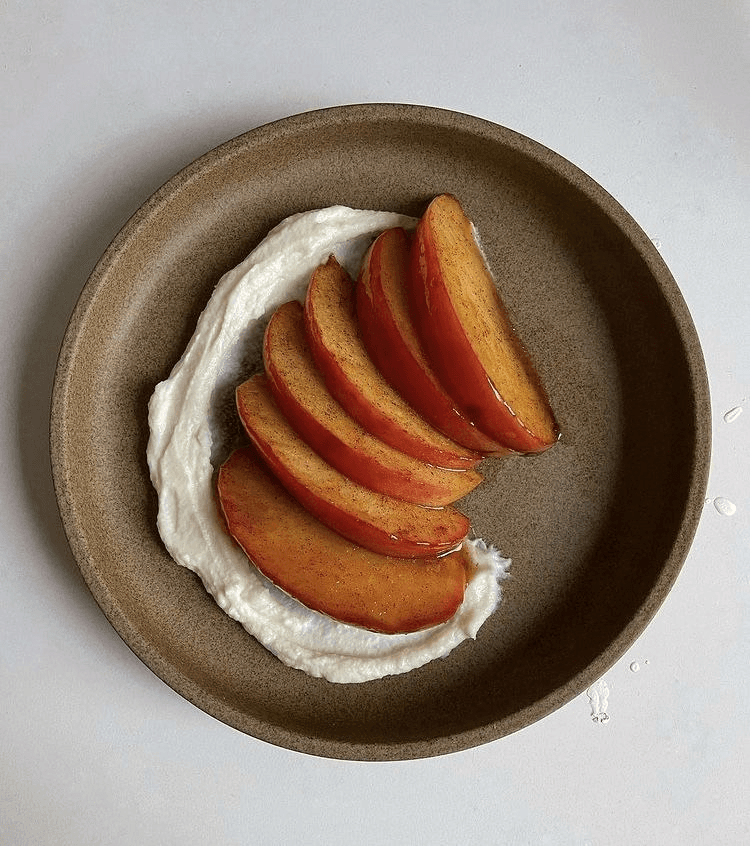
Apples are naturally high in fibre and polyphenols and offer endless culinary uses — raw, stewed, baked, pickled, or pressed into juice or cider. They're also a great sweetener for reducing refined sugar in recipes.
Beetroot
Earthy, vibrant, and nutrient-rich — beetroot is high in folate, iron, and nitrates that support blood flow and energy. The greens are edible too, reducing waste.
Leeks
Milder than onions but just as useful, leeks add depth to countless dishes and are especially good in autumn soups, tarts, and slow-cooked meals.
Explore More Seasons
Never Miss a Beet
Get hot off the harvest, exclusive weekly recipes, seasonal tips and stories- straight to your inbox.
© EAT THE LAND 2026
Website by storiesstudio.coNewsletter Sign Up