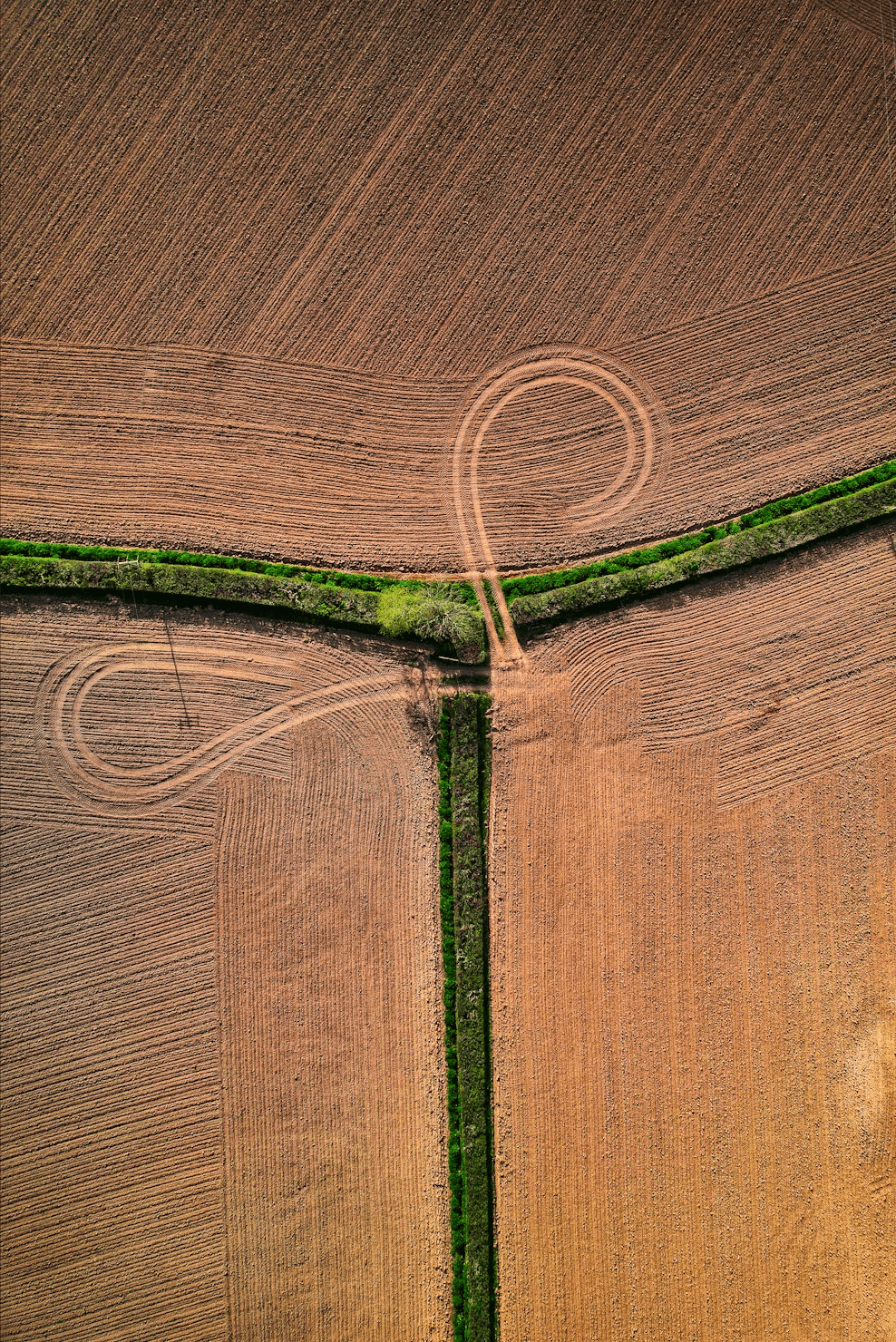
A closer look at how our food is grown,
moved, Produced and lost
— and why that matters.
The Rhythm of The Land
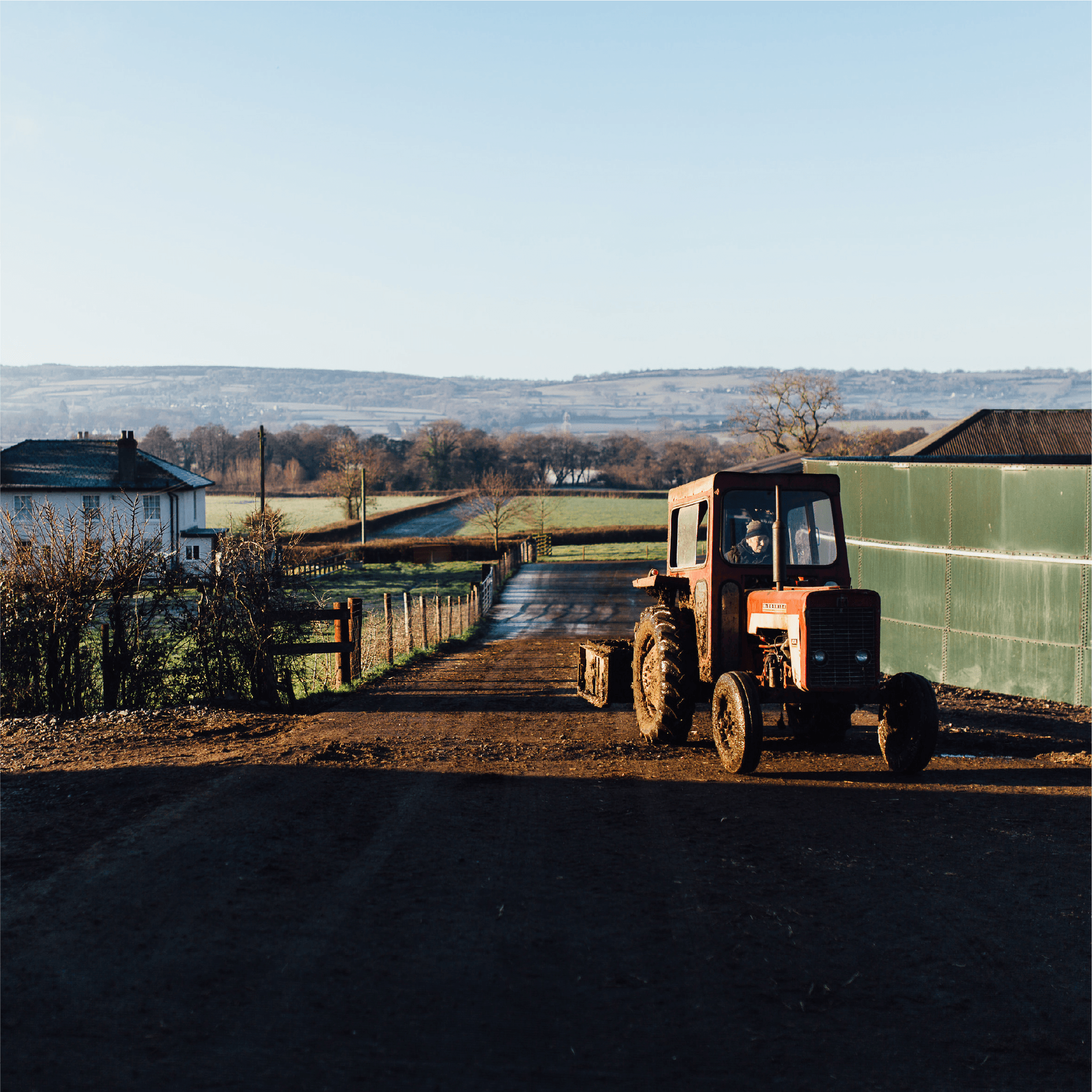
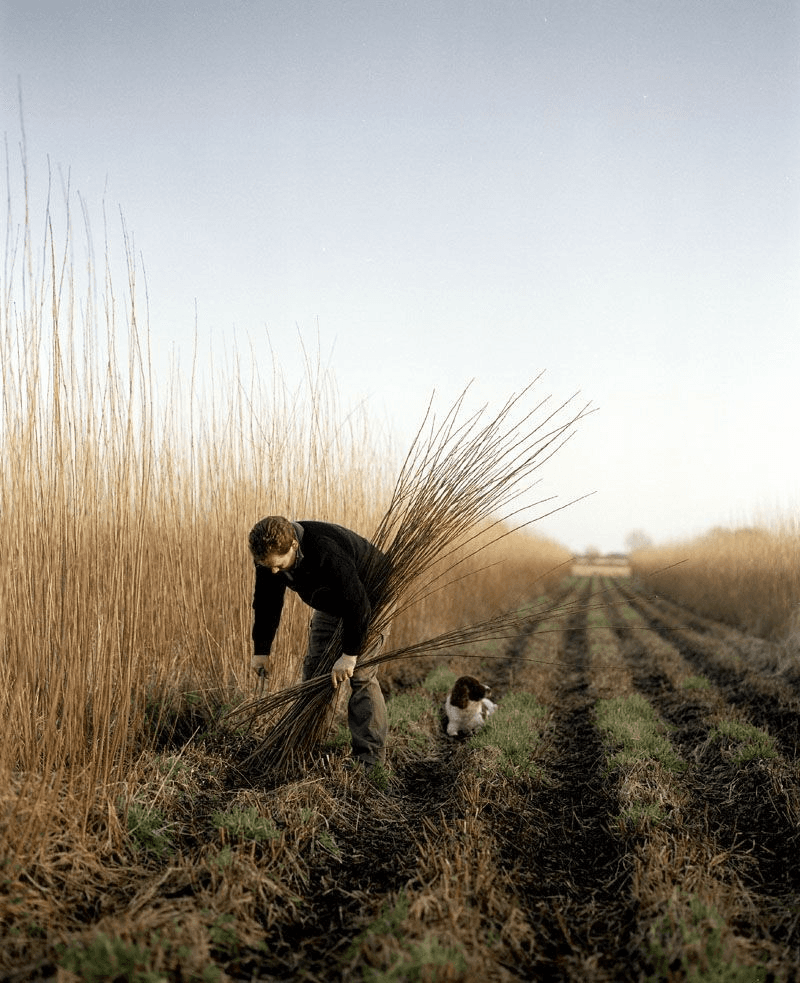
Farming in the UK follows the pace of the land, shifting with weather, soil and light. Each season brings its own energy — from the fresh promise of spring sowing to the quiet recovery of winter rest. What grows when, and how, is shaped not only by climate and geography, but by the choices farmers make in response to changing conditions.
n a country with diverse landscapes and regional microclimates, there's no one-size-fits-all approach — but across the UK, farmers work with the seasons to grow, raise, and harvest food that reflects the natural rhythm of the year.
Understanding this cycle helps us eat more intentionally: choosing what's at its peak, supporting the land's long-term health, and wasting less along the way.
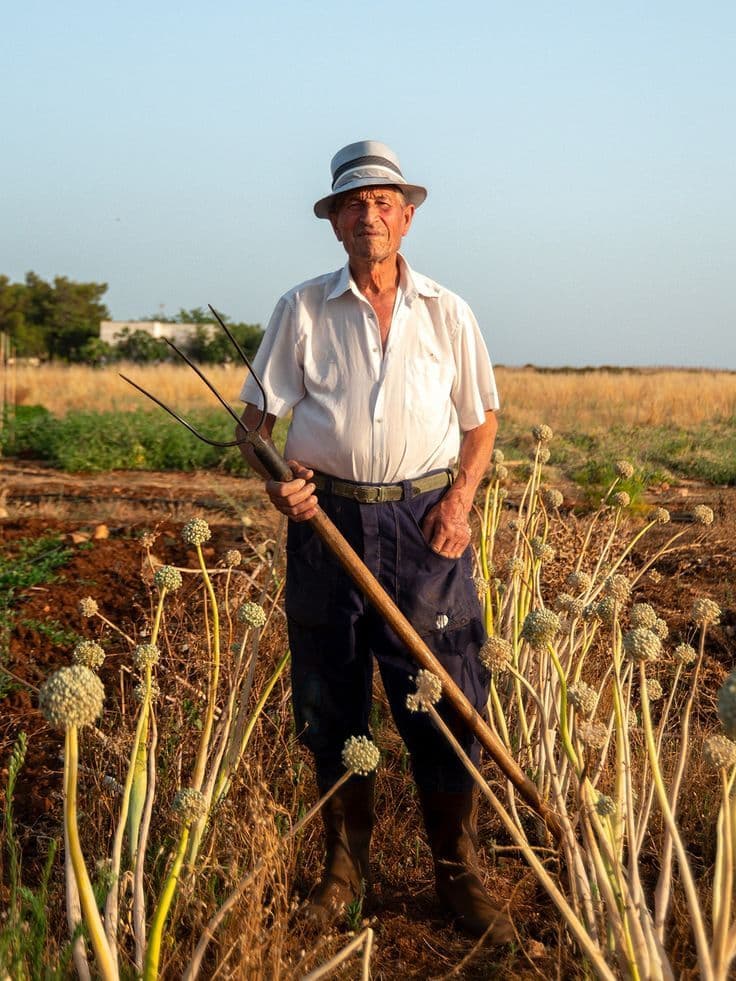
Seasonal Overview
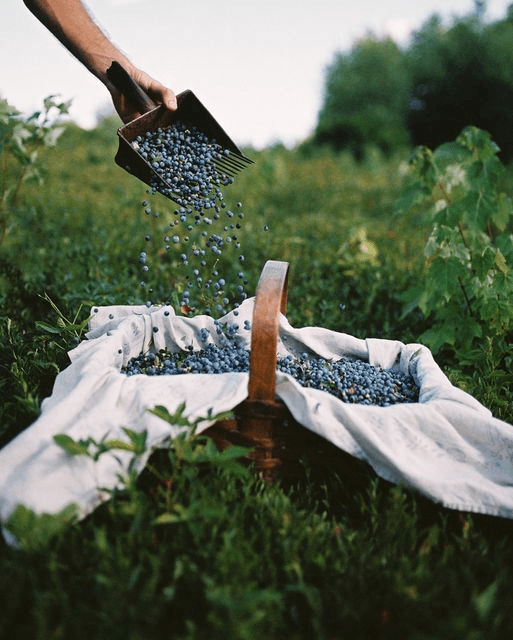
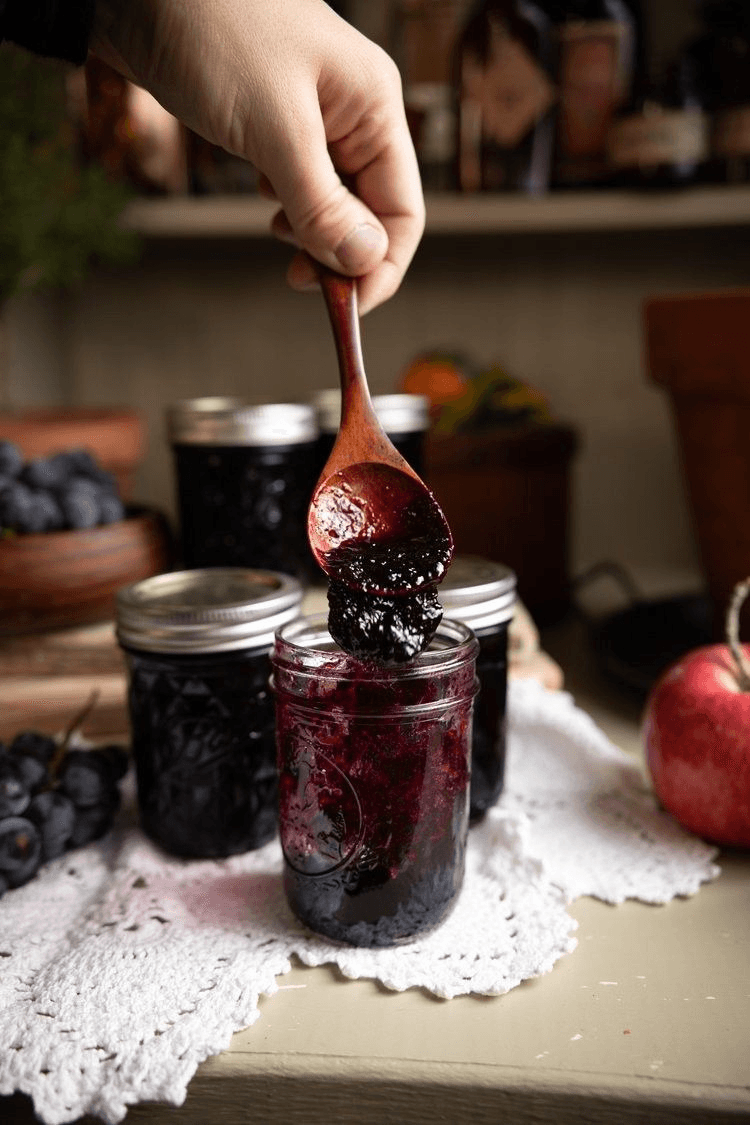
Summer
Growth —Fruiting, Soft Fruit —Cereals
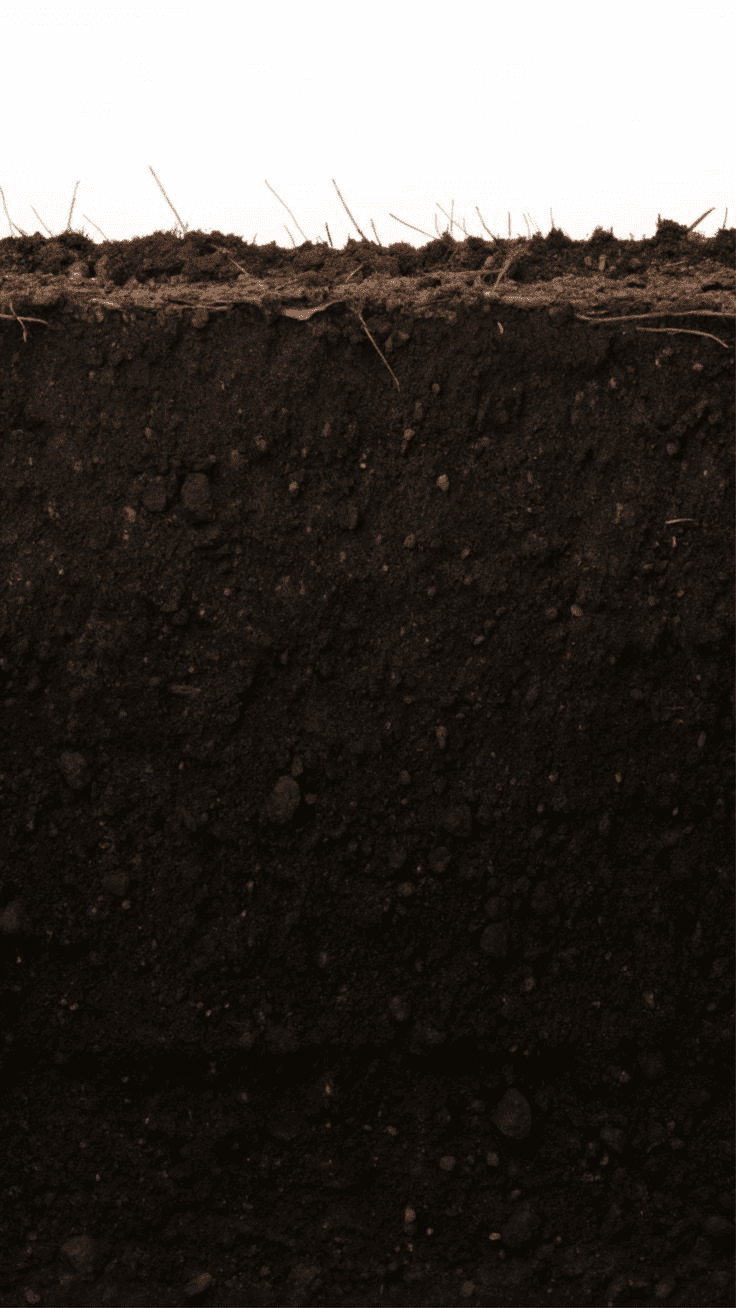
Autumn
Harvest —Soil Care —Root Veg—Orchards
Winter
Rest —Preserve—Brassicas —Seed Planning
Spring
Sowing —Lambing —Early Crops —Asparagus
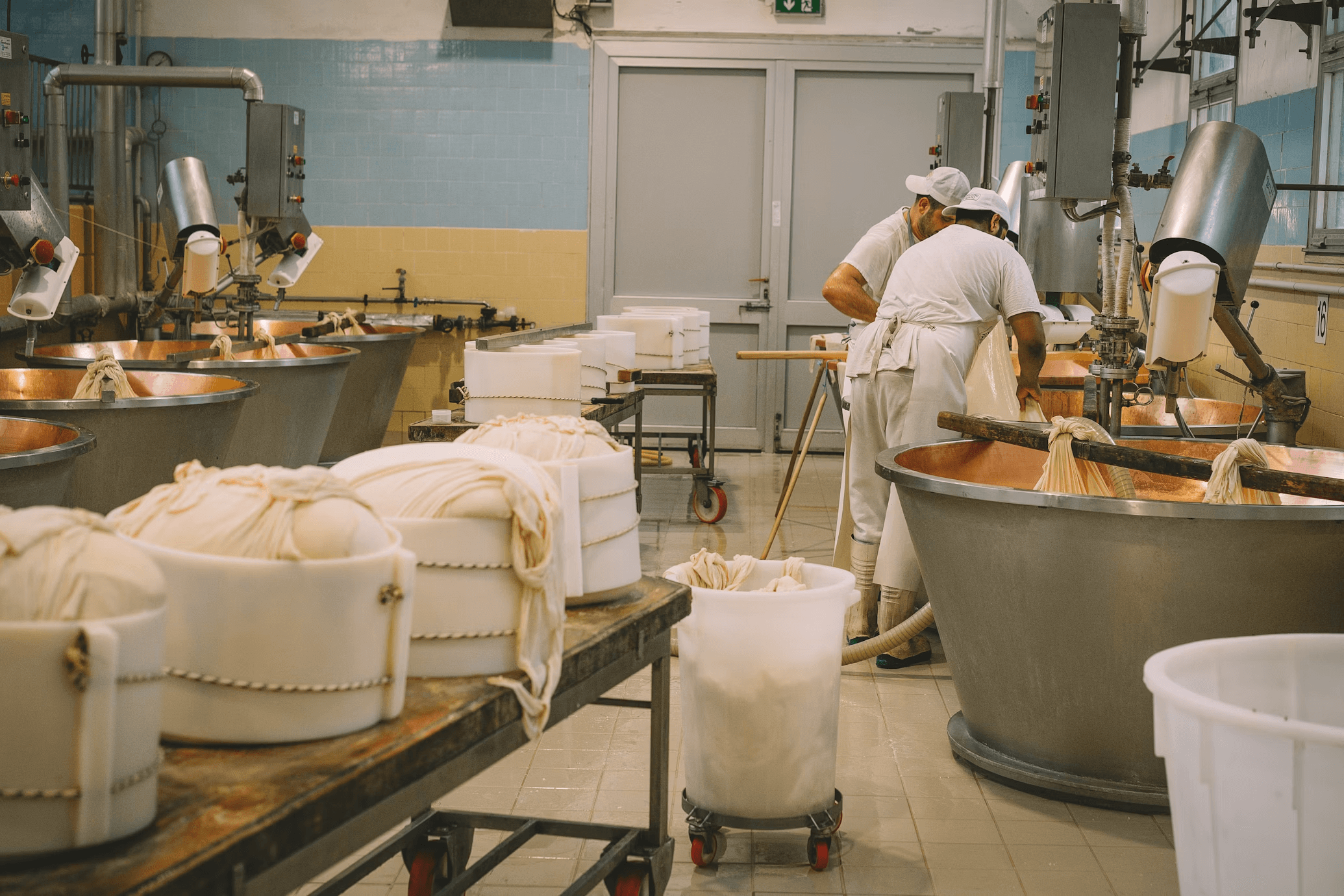
Supply Chains & Systems
The journey from farm to plate can be short and direct — or long, complex, and wasteful. In the UK, most food moves through large-scale supply chains: from farms to packhouses, distribution centres, and retailers. Each step adds distance, time, and pressure — not just on food quality, but on the farmers who grow it.
Out-of-season produce often travels thousands of miles or is grown in energy-intensive environments. Crops are selected for appearance, shelf life, and uniformity, not flavour or nutrition. Meanwhile, smaller, local producers — those working in closer rhythm with the seasons — can struggle to compete.
Shorter supply chains change that. Buying locally grown, seasonal food supports farmers directly, reduces emissions, and means fresher, more nutrient-rich produce on our plates. It's not just about where our food comes from, but how it moves — and what's lost or gained along the way.
What's Broken?
Behind the scenes of our food system, farmers face growing pressure. Rising costs, unpredictable weather, and shrinking profit margins make it harder than ever to grow food sustainably — or even viably.
In large-scale supply chains, growers are often paid less than the cost of production. Crops may be rejected for being the wrong size, shape, or colour. Many farmers are forced to leave food unharvested because it's cheaper to let it rot than to pick and sell it at a loss.
These challenges aren't just economic — they're environmental. When food is wasted at the farm level, so are the resources used to grow it: land, water, energy, and labour. At the same time, climate change is making farming more volatile, with increased flooding, droughts, and unpredictable harvests across the UK.
The current system rewards volume and efficiency over nutrition, seasonality, and care. But a better model exists — one where shorter supply chains, fairer prices, and seasonal eating create more balance between land, grower, and eater.
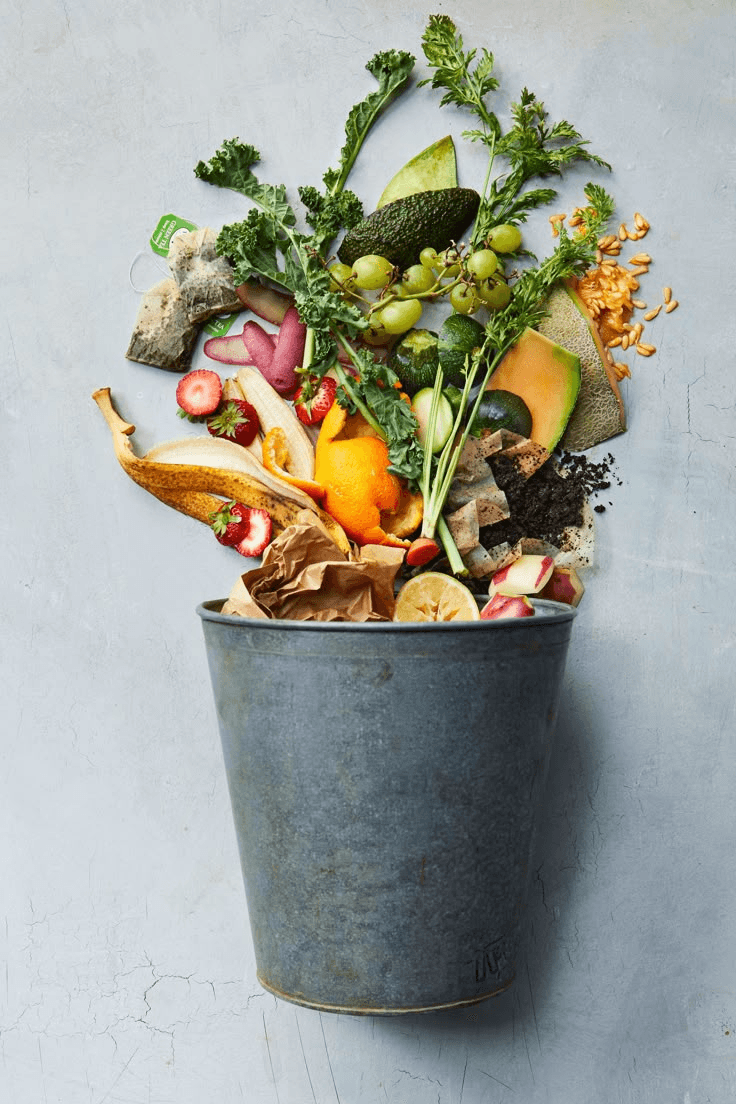
The Hidden Wave
Behind the scenes of our food system, farmers face growing pressure. Rising costs, unpredictable weather, and shrinking profit margins make it harder than ever to grow food sustainably — or even viably.
In large-scale supply chains, growers are often paid less than the cost of production. Crops may be rejected for being the wrong size, shape, or colour. Many farmers are forced to leave food unharvested because it's cheaper to let it rot than to pick and sell it at a loss.
These challenges aren't just economic — they're environmental. When food is wasted at the farm level, so are the resources used to grow it: land, water, energy, and labour.
A Brighter Way Forward
Behind the scenes of our food system, farmers face growing pressure. Rising costs, unpredictable weather, and shrinking profit margins make it harder than ever to grow food sustainably — or even viably.
In large-scale supply chains, growers are often paid less than the cost of production. Crops may be rejected for being the wrong size, shape, or colour. Many farmers are forced to leave food unharvested because it's cheaper to let it rot than to pick and sell it at a loss.
These challenges aren't just economic — they're environmental. When food is wasted at the farm level, so are the resources used to grow it: land, water, energy, and labour. At the same time, climate change is making farming more volatile, with increased flooding, droughts, and unpredictable harvests across the UK.
The current system rewards volume and efficiency over nutrition, seasonality, and care. But a better model exists — one where shorter supply chains, fairer prices, and seasonal eating create more balance between land, grower, and eater.
Never Miss a Beet
Get hot off the harvest, exclusive weekly recipes, seasonal tips and stories- straight to your inbox.
© EAT THE LAND 2026
Website by storiesstudio.coNewsletter Sign Up