
A closer look at how nutrition influences energy,
mood, immunity
— and the deeper connection between food and health.
Nutrient Density
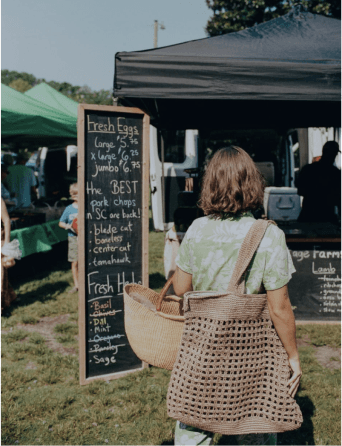
When we talk about eating well, it's not just about what we eat — but when and how it's grown. Seasonal foods are often more nutrient-dense because they're harvested at their peak, when flavour and nourishment are at their highest.
Eating with the seasons means you're getting fresher ingredients, grown closer to home, with fewer preservatives and less time spent in storage. It's a simple shift that supports better health, strengthens your connection to food, and makes every bite more meaningful.
The Foundations of Nutrition
Every meal is a chance to nourish your body — not through perfection, but through balance. Our bodies rely on a variety of nutrients to function well, from the carbohydrates that fuel movement to the fats that support brain health and the vitamins that quietly keep things ticking behind the scenes. When we understand the role of different food groups, we can build meals that feel good in the moment and do good over time.
Eating seasonally adds another layer to this. When we choose foods grown closer to home and picked at their peak, we often get more from them — more flavour, more nutrients, and more connection to the world around us.
Good nutrition isn't about restriction or rules. It's about learning what your body needs and finding ways to meet those needs with foods that are simple, satisfying, and in tune with the seasons.
Fibre
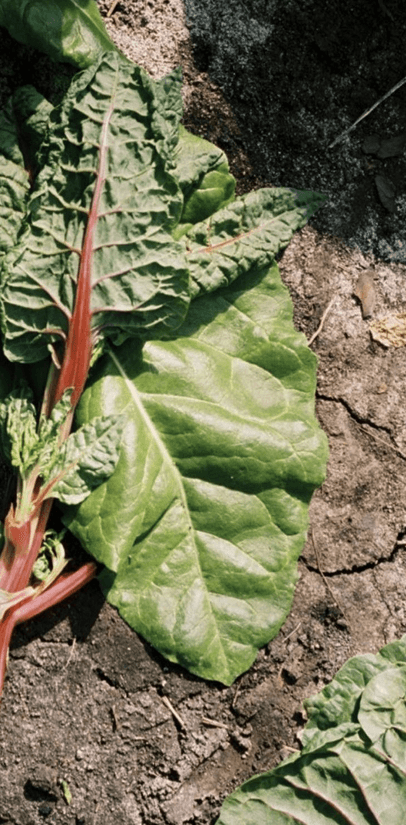
Purpose: Digestion, Blood Sugar Balance
Beans, Leafy Greens, Root Vegetables
Carbohydrates
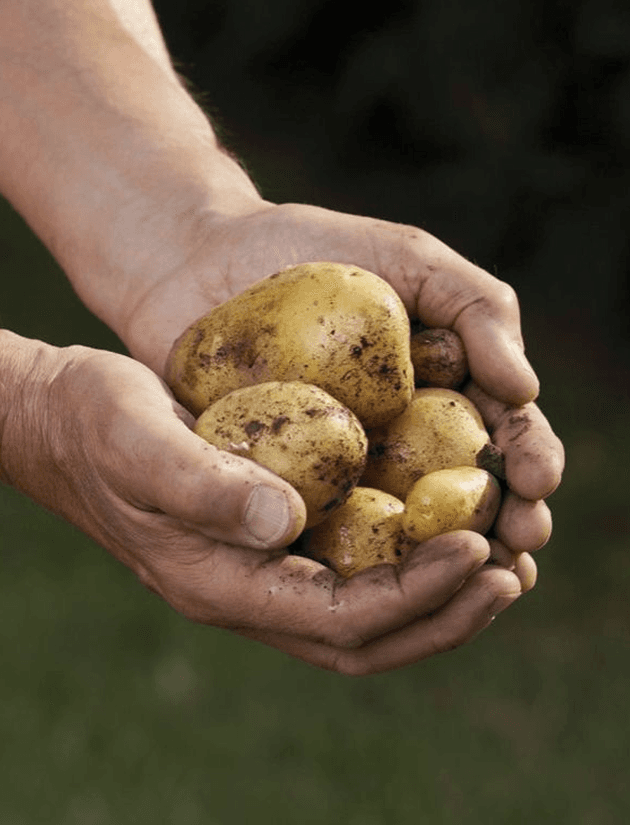
Purpose: Energy
New Potatoes (Spring), Oats (Autumn), Parsnips (Winter)
Protein
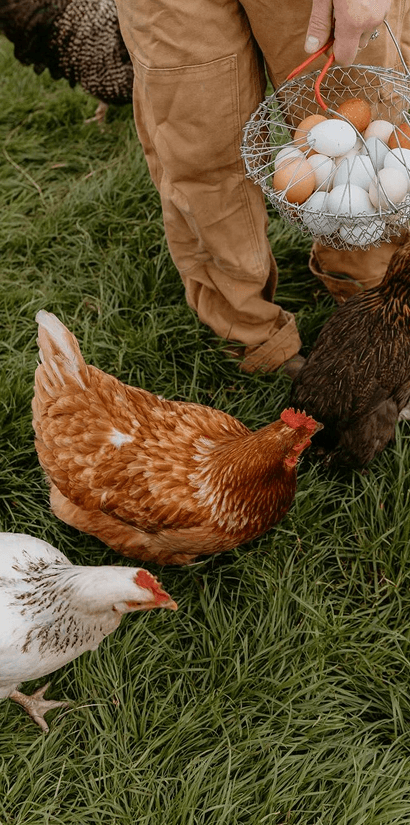
Purpose: Muscle Repair, Hormones, Enzymes
Lentils, UK-Grown Pulses, Eggs, Seasonal Dairy, Grass-Fed Meat
Why Diversity Matters
No single ingredient can give your body everything it needs — which is why variety is one of the most powerful tools we have in eating well. A diverse diet, built from many different fruits, vegetables, grains, legumes, and proteins, helps supply a broad range of vitamins, minerals, and phytonutrients that support everything from immunity to energy levels and gut health.
Eating seasonally makes diversity easier. As the landscape shifts with the seasons, so does what grows — encouraging us to rotate ingredients naturally and explore foods we might otherwise overlook. From early spring greens to late summer tomatoes and winter root veg, nature provides variety if we're willing to follow its rhythm.
This diversity doesn't just support personal health — it also strengthens ecosystems. Growing and eating a wider range of crops reduces dependence on monocultures, improves soil health, and supports a more resilient food system. What's good for your plate can also be good for the planet.

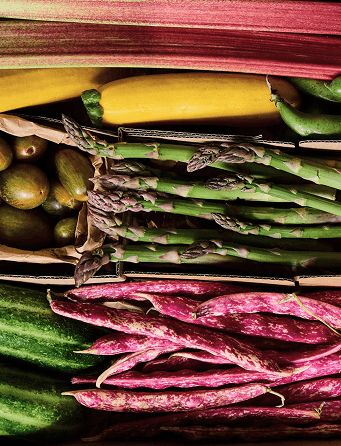
Food, Mood & Energy
How we eat affects how we feel — not just physically, but emotionally too. Blood sugar dips, nutrient imbalances, dehydration, and under-fuelling can all contribute to fatigue, low mood, poor concentration and disrupted sleep. But the answer isn't strict rules or so-called "clean eating." It's consistency, balance, and paying attention.
Eating a variety of whole, seasonal foods helps regulate energy levels and supports your nervous system, digestion, and hormone function. Meals that include complex carbohydrates, healthy fats, and quality protein help sustain you throughout the day — while the micronutrients in vegetables, pulses, and grains quietly support everything from mental clarity to emotional resilience.
Food won't fix everything, but it does form the foundation for how we show up in the world. A well-fed body is better able to rest, move, think, and respond — and that starts with simple meals, eaten often, with care.
Nutrition & Immunity
Our immune systems are working quietly in the background every day — defending, repairing, and responding to everything from seasonal bugs to everyday stress. What we eat can either support that work or make it harder.
There's no single food that "boosts" immunity, but a steady supply of key nutrients helps your body stay resilient. Vitamins A, C, D, and E; zinc; selenium; and fibre all play important roles in maintaining immune health — and many of these can be found in simple, seasonal ingredients.
Think dark leafy greens, colourful root veg, nuts, seeds, fermented foods, and pulses. Eating with the seasons naturally supports this process. Winter greens offer vitamin C when we need it most. Mushrooms, eggs and oily fish are rich in vitamin D, especially valuable when sunlight is low. Garlic, onions, and leeks provide prebiotic fibre to feed beneficial gut bacteria — a key player in immune regulation.
Immunity isn't built overnight. It's the result of small, consistent choices over time — rooted in nourishment, rest, and rhythm. Seasonal eating makes those choices simpler and more connected to what your body needs, right when it needs it.

Intuition & Flexibility
Understanding nutrition is helpful — but it's not the whole story. Food is personal. It's shaped by culture, experience, access, emotions, and routine. While knowledge can guide your choices, your body is ultimately your best source of information. Some days you'll crave something hearty; others, something fresh. Some seasons call for slow, grounding meals, while others invite lighter eating. Learning to notice how food makes you feel — physically and emotionally — is a skill in itself. One that takes time, patience, and permission to adapt.
This space isn't about perfection or pressure.
It's about awareness, seasonal rhythms, and reconnecting with what feels nourishing.
Use what's helpful. Leave the rest. Let food support your life, not control it.
Never Miss a Beet
Get hot off the harvest, exclusive weekly recipes, seasonal tips and stories- straight to your inbox.
© EAT THE LAND 2026
Website by storiesstudio.coNewsletter Sign Up