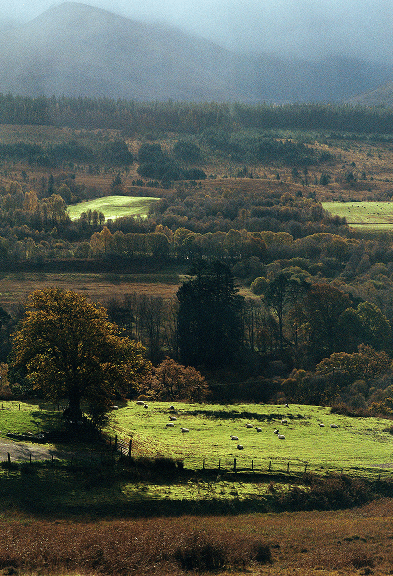
A closer look at how land, wildlife and ecosystems connect
— and why protecting them protects us all.
Why Wildlife Matters
We often think of wildlife as something separate from the food on our plates — birds in the hedgerows, bees in the fields, foxes in the woods. But in reality, nature is woven into every bite we eat.
Pollinators like bees and hoverflies are essential for fruit and vegetable crops. Earthworms and soil microbes help keep soil healthy and productive. Trees, wetlands and grasslands store carbon, clean our water, and protect against flooding.
When we lose biodiversity, we lose the systems that quietly support life — and food — every day. A thriving natural environment is not just nice to have, it's a necessity.
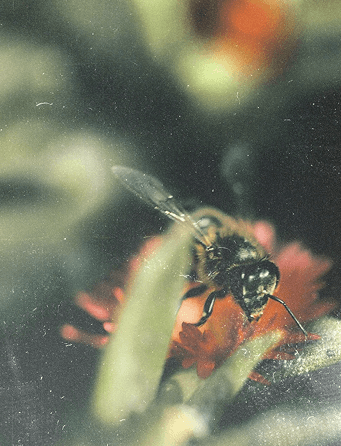
Recognising this link helps us understand that restoring nature isn't separate from fixing the food system.
It's the same work.
Food Production & Impact
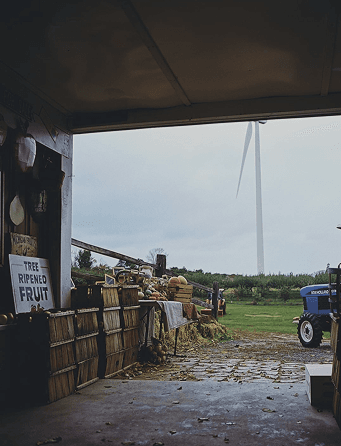
Over time, industrial farming practices have reshaped the UK's landscapes — often at the expense of wildlife.
Hedgerows have been removed to make way for larger fields. Pesticides and fertilisers have polluted rivers and soils. The loss of flower-rich meadows and mixed farms has led to dramatic declines in insects, birds and mammals once common across the countryside.
Monocultures — the growing of one crop over large areas — can deplete soil health and reduce habitats for pollinators. Meanwhile, the pressure to produce high yields often leaves little space for nature to coexist with agriculture.
But it doesn't have to be this way. Farms that leave wild margins for biodiversity, use fewer chemicals, or integrate livestock with crops often see more resilient ecosystems and better long-term soil health.
Changing how we grow food can support both productivity and wildlife
— if we reframe the land as something to work with, not against
Wastage & Costs
When food goes to waste, so does everything it took to grow it — the land cleared, the wildlife displaced, the water used, and the carbon emitted. In the UK, around 9.5 million tonnes of food are wasted each year, much of it still perfectly edible. This loss isn't just a household issue — it happens across the food chain, from farms and supermarkets to restaurants and homes.
Behind every wasted carrot or stale crust is a story of labour, logistics, and lost resources.
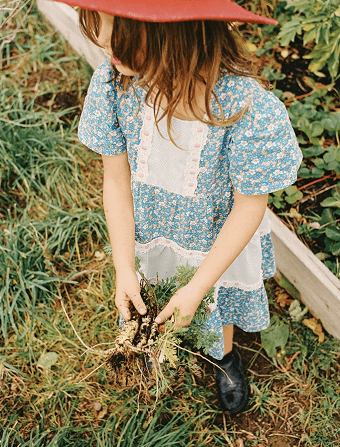
When fields are over-farmed to meet demand that ends up in the bin, Nature pays twice
— first in the loss of habitat, and again in the burden of overproduction.
Reducing food waste is one of the simplest and most powerful ways we can ease pressure on our ecosystems
When we value our food, we value the land it came from — and the wildlife that depends on it.
Tips & Tricks
What we can do to help
Small shifts in how we eat, shop, and cook can have a meaningful impact — both for the planet and for the creatures we share it with.
Here are a few ways to get started:
Eat seasonally & locally
Choose foods that are in season and grown closer to home — this reduces transport emissions and supports farming systems better adapted to local ecosystems.
Support wildlife friendly farms
Look for certifications or producers that prioritise biodiversity, such as organic farms, regenerative practices, or nature-friendly labels.
Waste less
Plan meals, use leftovers, freeze excess, and compost what you can't eat. This helps reduce pressure on the food system and the environment.
Leave no trace
When walking, camping, or foraging, stick to marked paths, avoid disturbing habitats, and never pick protected species.
Grow a little
Even a windowsill herb garden or a wildflower patch can support pollinators and reconnect you with the rhythm of the seasons.
Rethink your lawn
Letting parts of your garden grow wild — even for a few weeks — creates shelter and food for birds, bees, and butterflies.
Know your local ecosystem
Pay attention to what's growing, flying, or nesting near you. Awareness is often the first step to care.
Share knowledge
Conversations about food, waste, and wildlife matter. Share what you learn, cook with friends, and bring others into the process.
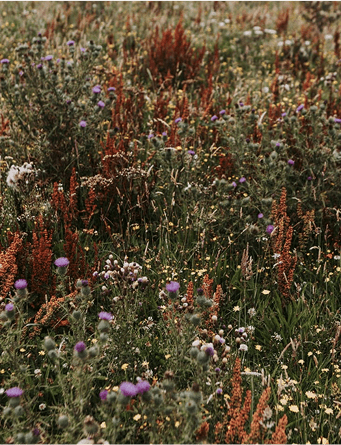
Nature is more resilient than we think. When given the chance, it regenerates - hedgerows grow back, bees return, soils recover.
The way we eat can be part of that recovery.
By choosing food that supports the land, wasting less, and reconnecting with the seasons, we become part of a quieter but powerful movement — one that values not just what ends up on our plates, but everything and everyone it took to get it there.
We don't need to be perfect. But we can be more conscious, more connected, and more hopeful — for the future of food, and the wild world it depends on.
Never Miss a Beet
Get hot off the harvest, exclusive weekly recipes, seasonal tips and stories- straight to your inbox.
© EAT THE LAND 2026
Website by storiesstudio.coNewsletter Sign Up